

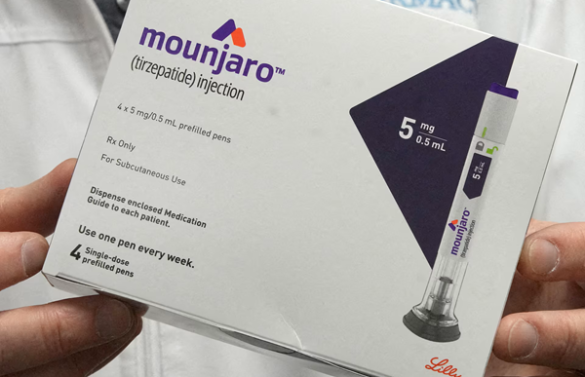
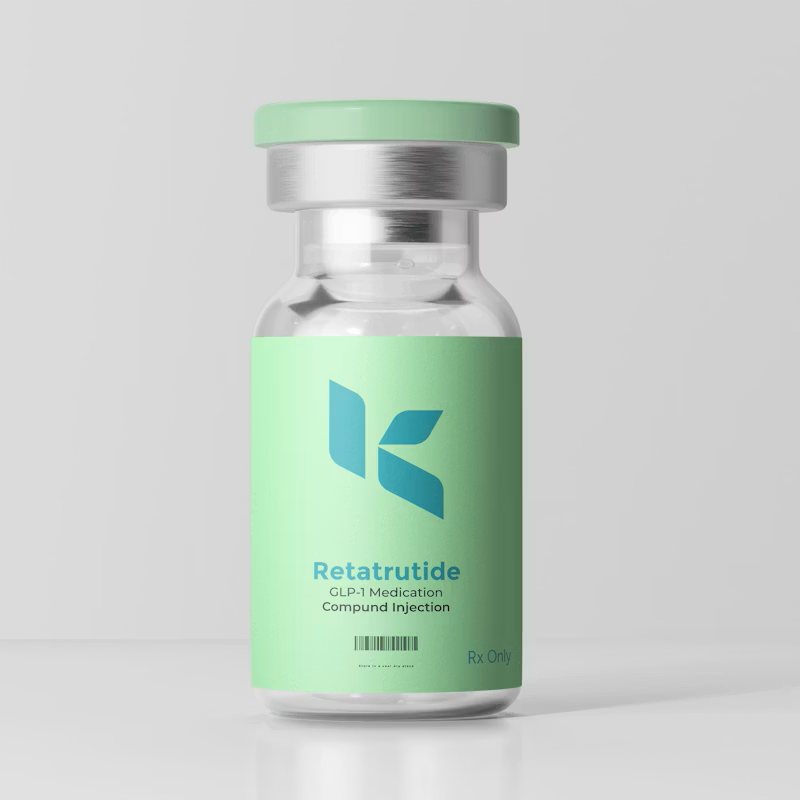


Retatrutide is an investigational triple-hormone receptor agonist targeting the receptors for glucagon-like peptide-1 (GLP-1), glucose-dependent insulinotropic polypeptide (GIP), and glucagon. Developed by Eli Lilly and currently in clinical trials, Retatrutide is being evaluated for the treatment of obesity, type 2 diabetes, and associated metabolic disorders. By activating these three receptors, Retatrutide aims to promote weight loss, improve glycemic control, and enhance energy expenditure. Preliminary results from phase 2 trials suggest significant reductions in body weight and improvements in metabolic parameters compared to existing monotherapy or dual agonist approaches.
|
Fact Table |
|
|
Formula |
C331H513N91O101S |
|
License |
Not yet approved (Phase 3 trials) |
|
Bioavailability |
High (subcutaneous; investigational data) |
|
Legal status |
Investigational |
|
Chemical Name |
Retatrutide (LY3437943) |
|
Elimination half-life |
~6–7 days (estimated from Phase 2 data) |
|
Dosage (Strength) |
Weekly SC doses: 1–12 mg studied |
|
Pregnancy |
Not recommended (preclinical only) |
|
Brands |
None (not marketed) |
|
Protein binding |
Unknown (peptide-based; receptor mediated) |
|
PubChem CID |
166105968 |
|
MedlinePlus |
Not listed |
|
ChEBI |
Not assigned |
|
ATC code |
None (not approved) |
|
DrugBank |
DB17920 |
|
KEGG |
Not assigned |
|
Routes of administration |
Subcutaneous injection (weekly) |
Directions
Retatrutide is administered via subcutaneous injection once weekly. Dosing regimens in clinical studies have varied, typically ranging from 1 mg to 12 mg per week, titrated to minimize gastrointestinal side effects and optimize therapeutic benefit. If approved, administration will require medical supervision, especially during initiation and dose escalation. Proper patient education on injection technique and adherence to scheduled follow-ups will be essential for safe and effective use.
Ingredients
As an investigational product, Retatrutide’s precise excipient formulation has not been publicly disclosed. The active pharmaceutical ingredient is:
- Retatrutide (LY3437943), a synthetic peptide that acts as a GIP, GLP-1, and glucagon receptor agonist
The formulation is designed for sustained subcutaneous delivery with extended receptor activity over the dosing interval.
Contraindications
Although formal contraindications will be finalized upon regulatory approval, based on class effects and clinical trial protocols, anticipated contraindications may include:
- Personal or family history of medullary thyroid carcinoma (MTC)
- Multiple endocrine neoplasia syndrome type 2 (MEN 2)
- Hypersensitivity to any component of the formulation
- History of pancreatitis (relative contraindication pending further data)
Cautions
Retatrutide may increase the risk of gastrointestinal disturbances, thyroid C-cell tumors (as seen in rodent studies with similar agents), and gallbladder-related disorders. Caution is advised in patients with a history of pancreatitis or severe gastrointestinal disease. Weight loss may affect the pharmacokinetics of other medications, especially those with narrow therapeutic indices. Long-term cardiovascular outcomes are under investigation, and prescribers should monitor metabolic parameters regularly during treatment.
Side Effects
Side effects observed in clinical trials include:
- Nausea, vomiting, and diarrhea
- Decreased appetite
- Constipation
- Injection site reactions
- Hypoglycemia (particularly when used with insulin or sulfonylureas)
- Potential for elevated pancreatic enzymes or gallbladder events
- Rare: possible thyroid C-cell hyperplasia in preclinical models






Reviews
Clear filtersThere are no reviews yet.